Saturday, September 22, 2007

Ironic or moronic?

Movie:
Rating:

Review: "This movie was excellent until the moment near the end at which point the director/ writers decide to 'chicken out' so to speak and take the safe 'feel good' route. A film on a tragic character such as Harold Crick should end appropriately and not ignore everything that makes a story genuine for the sake of helping neurotic middle aged women leave the theater with a warm heart instead of actually being prompted think about the nature of life. You can argue that Harold Crick wasn't a tragic hero, but you'd be wrong. From a literary standpoint he was, and the director/ writer of this film clearly know little about what makes literature great and worth considering as a statement on our lives. At best this film reminded me of why I love and value books so much more than film. Drivel."

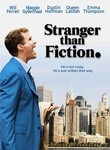
How it misses the point: Marc Foster's "Stranger Than Fiction" is a thoughtful fantasy about a man named Harold Crick who discovers that he's a character in a novel. The novelist also soon discovers that Harold Crick is real, and the movie leads to an ethical dilemma that the novelist and Crick must face. How the novelist and the character compromise is both satisfying and touching. When the above reviewer alludes to "chickening out," he refers to the compromise.

I'm not sure if the above reviewer is serious. He misses the movie's message so spectacularly, I'm almost certain it's deliberate. Dustin Hoffman's character, a literature professor, raises the exact point the reviewer does (albeit in a more articulate way). The reviewer must either not have been paying attention during this scene, or simply thinks he's smarter than the movie is. His objection is akin to complaining that Phil Connors should have never woken up on February third. By suggesting that the ending exists only to appease middle aged women, he not only comes off as an idiot, but also a condescending asshole.

I'm at a loss. Do you think he's joking?

Friday, September 21, 2007

Since when did horses play fetch?

Movie:
Rating:


Review: "I have never been so moved to vomit! Although I am glad to learn that beastiality is finally a felony in Washington state because of this tragedy... I am so disgusted that it happened and has the potential to happen again. What is wrong with people?! Can't we show love to our pets merely by taking them for walks and playing fetch?"

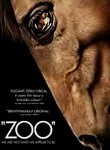
How it misses the point: Robinson Devor’s “Zoo” is a pensive, melancholy documentary about people who fuck horses. It centers on the infamous “Mr. Hands,” a man whose equine escapades resulted in internal bleeding and eventually death. Through dramatizations and voiceovers, the movie portrays horse-fuckers (or “zoos,” as they prefer to be called) as sensitive and misunderstood. They say things like, “It’s an intense connection with another being” and, “We cannot talk with them about art and music, but our love goes deeper than that.” A strong case is made that horses enjoy fucking people. And the movie ends with a horse trainer conceding that she can begin to understand what motivates zoos.

The above review misses the point because the documentary is critical of those who just point and gawk at behavior they do not understand. Occasional clips from local news stations heighten our understanding of how the zoos are demonized, and the above reviewer falls into the exact same trap. It’s as if he/she watched the movie and paid zero attention to its content. I’m not totally convinced that horse-fuckers are just like you and me, but I can see how they’re misconstrued as cruel.

While you may not approve of his proclivities, watching "Zoo" will help you realize that there is more to this horse-fucker than serious deep dicking.

Thursday, September 20, 2007

"Those lousy micks need to learn how to speak freakin' English"

Movie:
Rating:


Review: "There is so much yelling in this film, nearly every scene, that it becomes a chore to sit through. Given the fact that the accents are so strong and the words so difficult to understand, the yelling begins to take on the quality of dogs barking - they are trying to communicate something but you will never know what they are saying, only that it is loud and irritating."

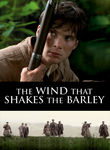
How it misses the point: Ken Loach's "The Wind That Shakes the Barley" is a thrilling account of the early 20th century struggle for Irish independence, and how conflicting ideologies eventually led to families being torn apart. Sure, the characters are Irish and have thick accents, but complaining that they're unintelligible is to miss the point. These freedom fighters were passionate about the cause, and they didn't care if their stirring rhetoric was understood by Americans.

Note: The movie is close-captioned for those who equate Irish brogue with barking dogs. Then again, this reviewer probably hates to read.

Wednesday, September 19, 2007

"This is madness! This lacks verisimilitude!"

Movie:
Rating:


Review: "I would give this abominable waste of film negative stars if it were possible. I looked forward to this film because I am fond of ancient history. While I did not expect a documentary, I thought the orcs (immortals)and rock trolls (not sure who they were supposed to be)were just a bit out of place. That is just a bit of the long list of why I want the part of my life back that I wasted on this film."

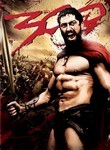
How it misses the point: Zack Snyder's "300" is a stylized, hyper-violent interpretation of the Battle of Thermopylae. Sure, there are giants and various otherworldly creatures, but the point of the movie is not its accuracy. It's to watch attractive men penetrate long blades into their enemies. Oh, and to admire Gerard Butler's amazing abs.