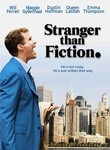
Rating:

Review: "This movie was excellent until the moment near the end at which point the director/ writers decide to 'chicken out' so to speak and take the safe 'feel good' route. A film on a tragic character such as Harold Crick should end appropriately and not ignore everything that makes a story genuine for the sake of helping neurotic middle aged women leave the theater with a warm heart instead of actually being prompted think about the nature of life. You can argue that Harold Crick wasn't a tragic hero, but you'd be wrong. From a literary standpoint he was, and the director/ writer of this film clearly know little about what makes literature great and worth considering as a statement on our lives. At best this film reminded me of why I love and value books so much more than film. Drivel."
How it misses the point: Marc Foster's "Stranger Than Fiction" is a thoughtful fantasy about a man named Harold Crick who discovers that he's a character in a novel. The novelist also soon discovers that Harold Crick is real, and the movie leads to an ethical dilemma that the novelist and Crick must face. How the novelist and the character compromise is both satisfying and touching. When the above reviewer alludes to "chickening out," he refers to the compromise.
I'm not sure if the above reviewer is serious. He misses the movie's message so spectacularly, I'm almost certain it's deliberate. Dustin Hoffman's character, a literature professor, raises the exact point the reviewer does (albeit in a more articulate way). The reviewer must either not have been paying attention during this scene, or simply thinks he's smarter than the movie is. His objection is akin to complaining that Phil Connors should have never woken up on February third. By suggesting that the ending exists only to appease middle aged women, he not only comes off as an idiot, but also a condescending asshole.
I'm at a loss. Do you think he's joking?

No comments:
Post a Comment